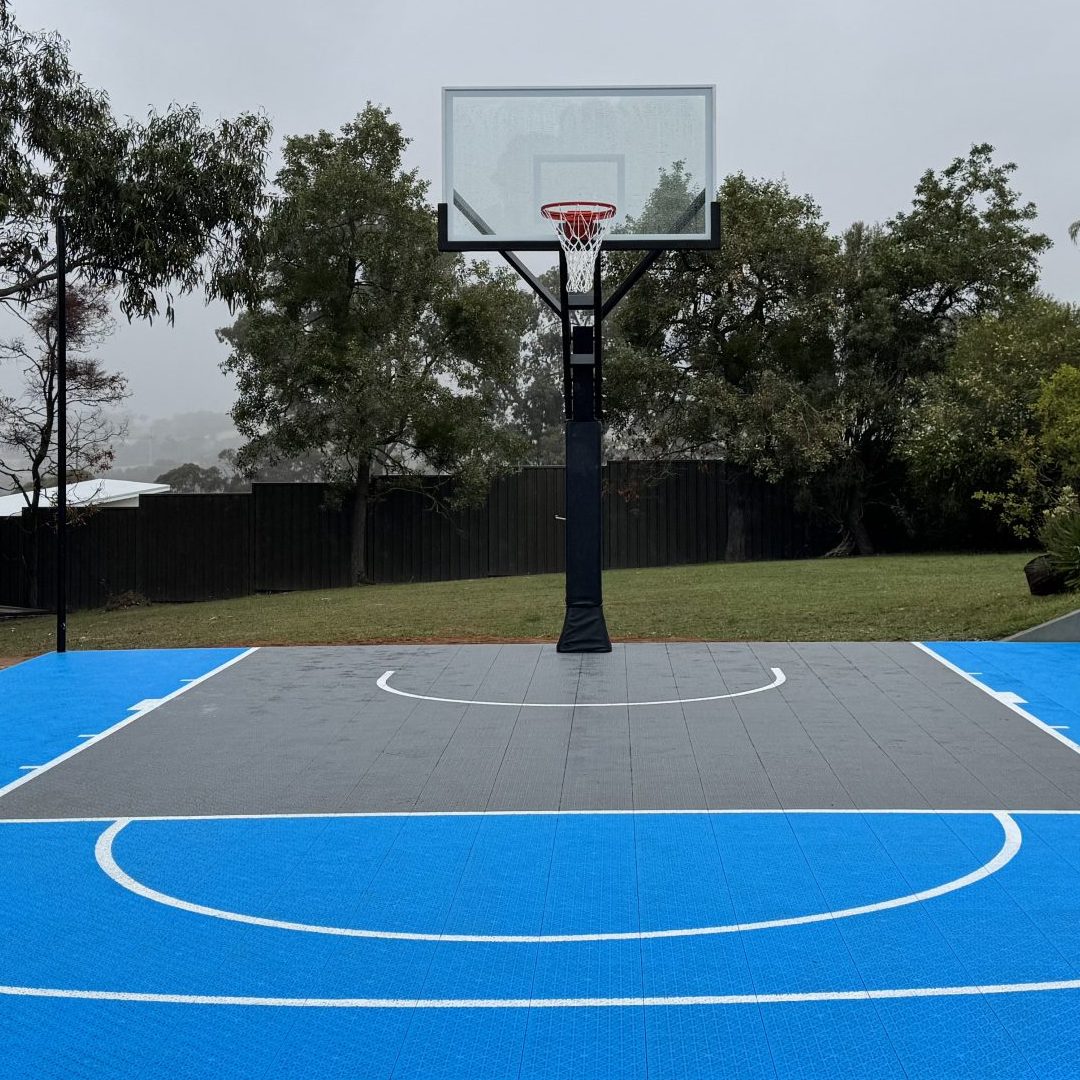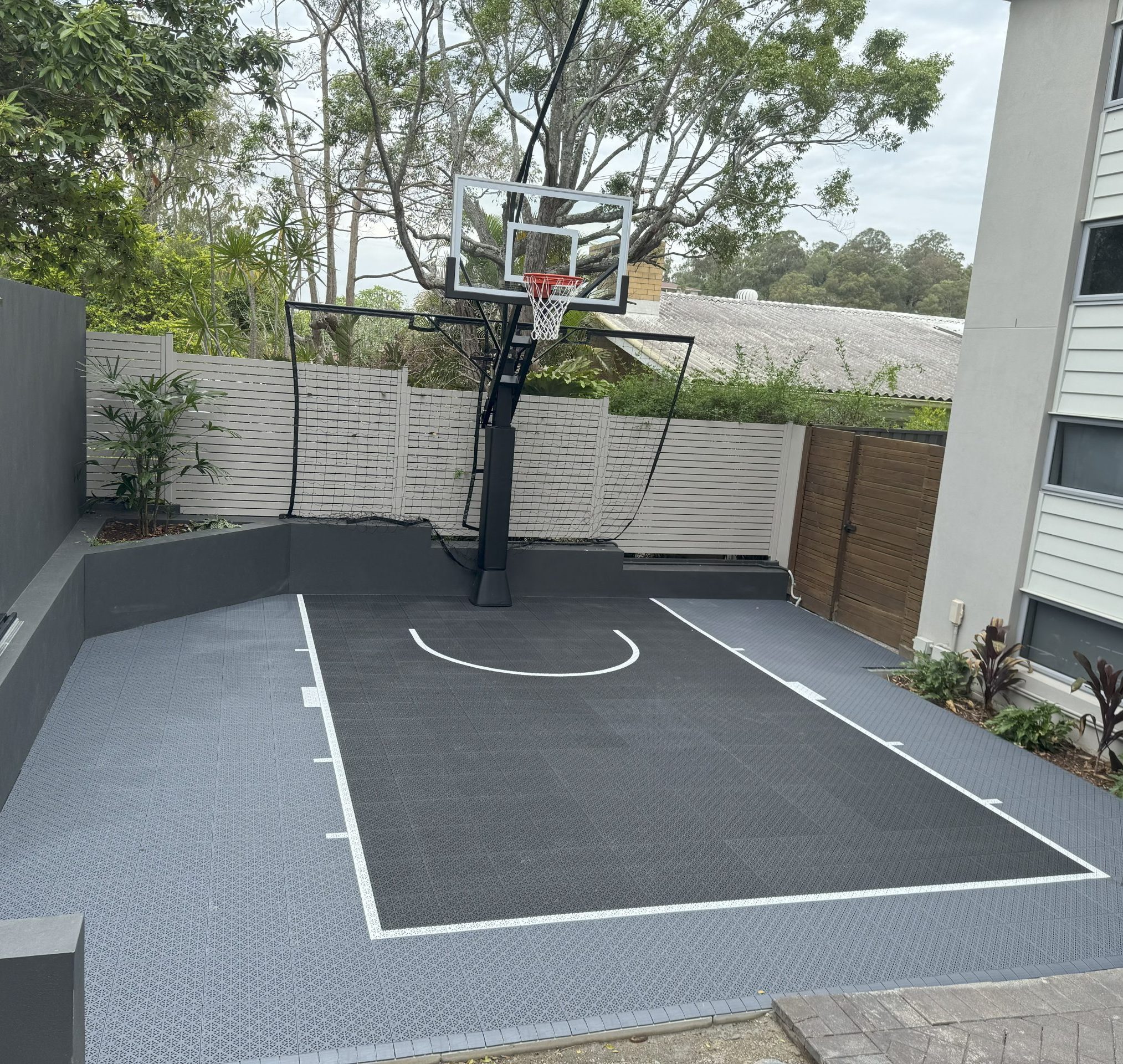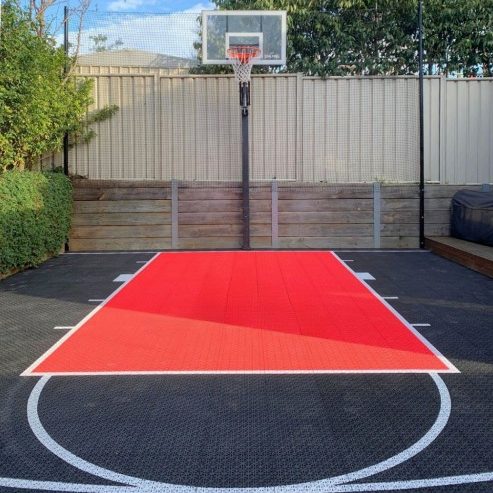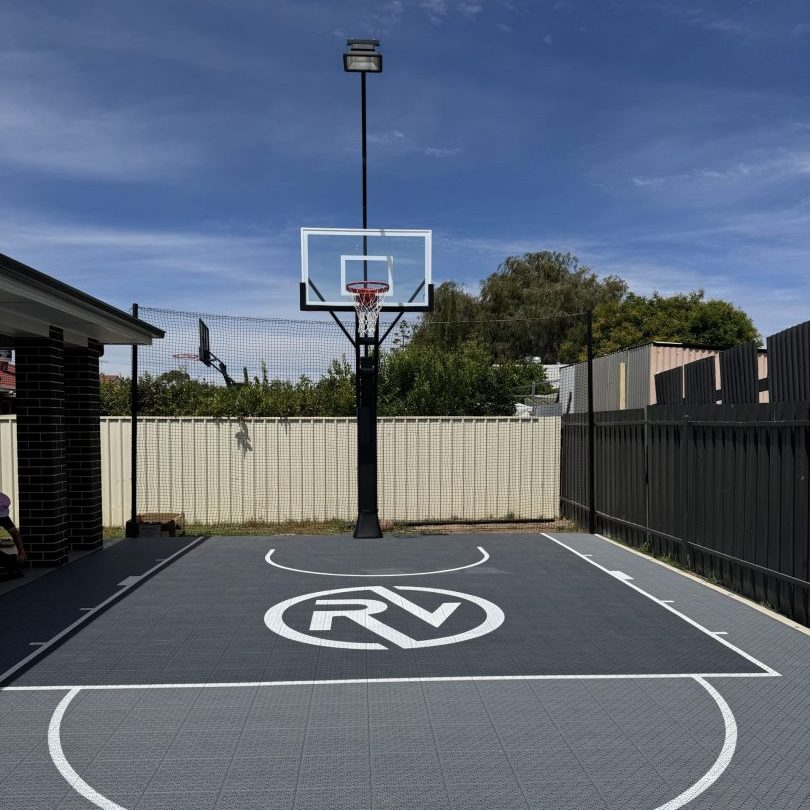

Quality Court Solutions for Every Family and Budget Backed by Our Price Beat Guarantee*
Uncategorized

What We Learned From Building 380+ Sports Courts Across Australia in 18 Months

The short answer. In the past 18 months we’ve built more than 380 sports courts across five Australian states, with over 100 of those in Queensland in 2025 alone. Three things became unmistakable along the way: Australian families are choosing multi-sport over single-sport courts in numbers we didn’t predict, pickleball isn’t a fad, and most homeowners don’t need or want the full-sized court they came in asking about. Everything below is what 18 months of actual builds — from suburban half-courts to FIBA-approved school facilities — has taught us about how Australians are building and using sports courts in 2026.

This isn’t a survey of what people say they want. It’s a record of what they actually ordered, what they signed off on, and what they wished they’d done differently when we walked the finished court with them.

Multi-sport is now the default, not the exception

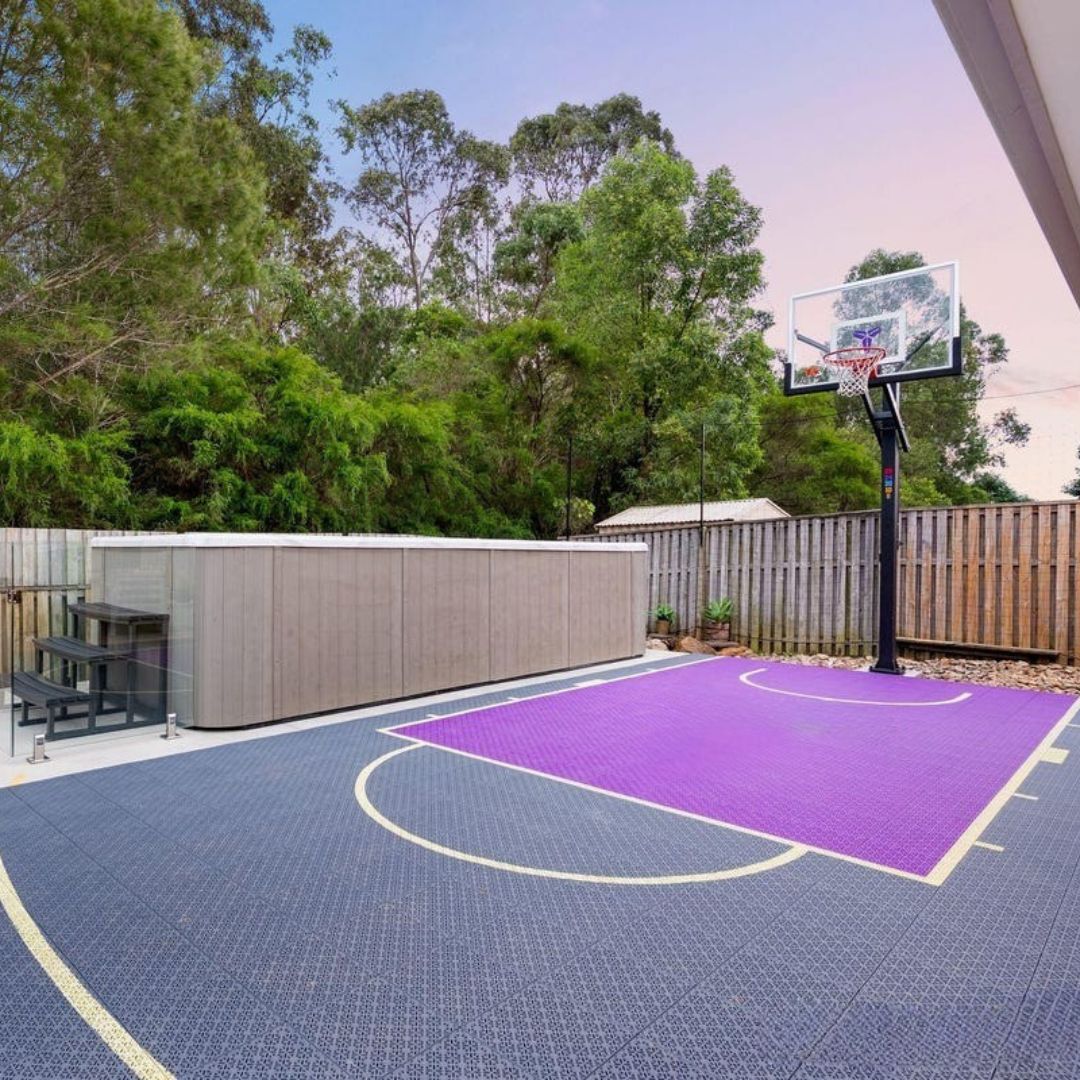
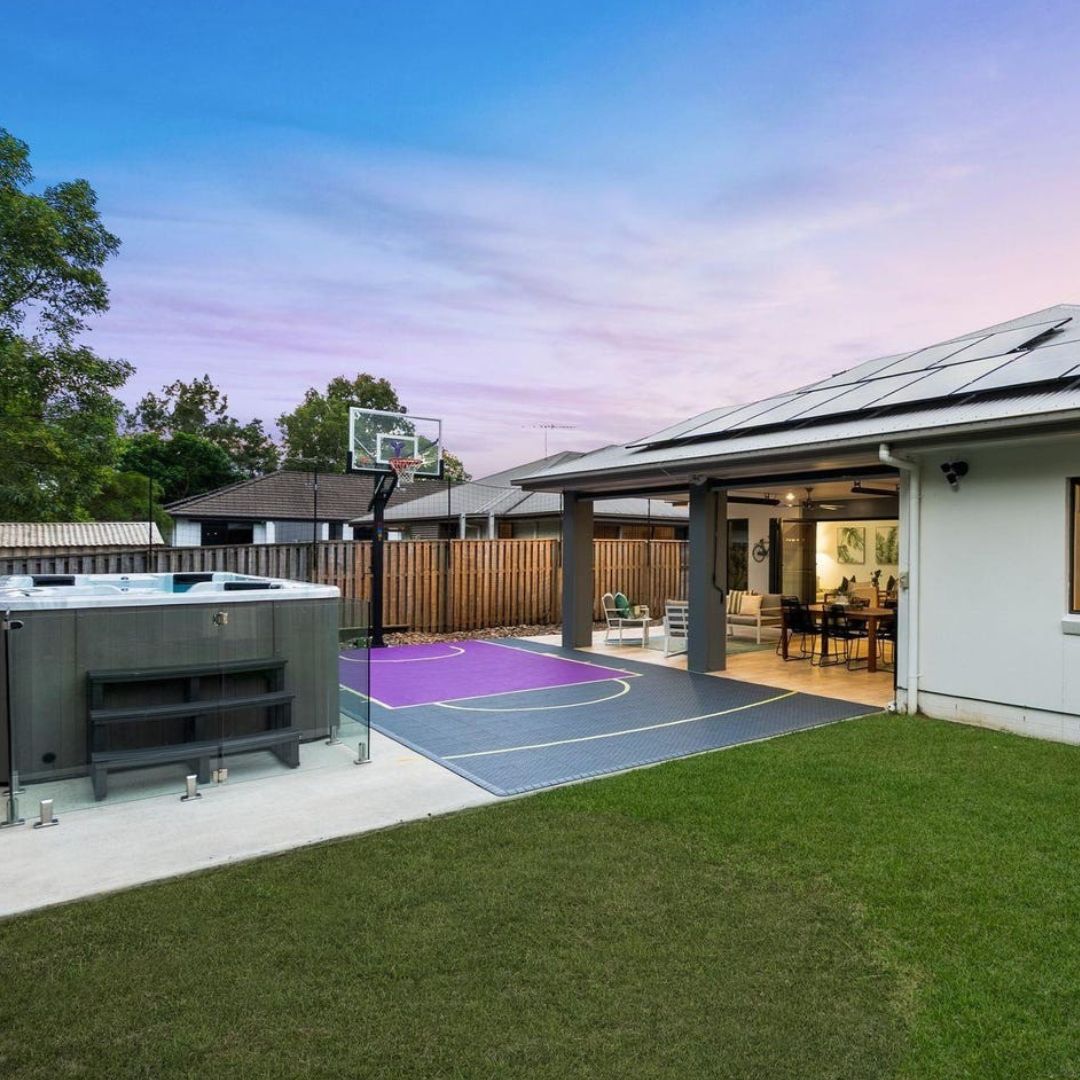
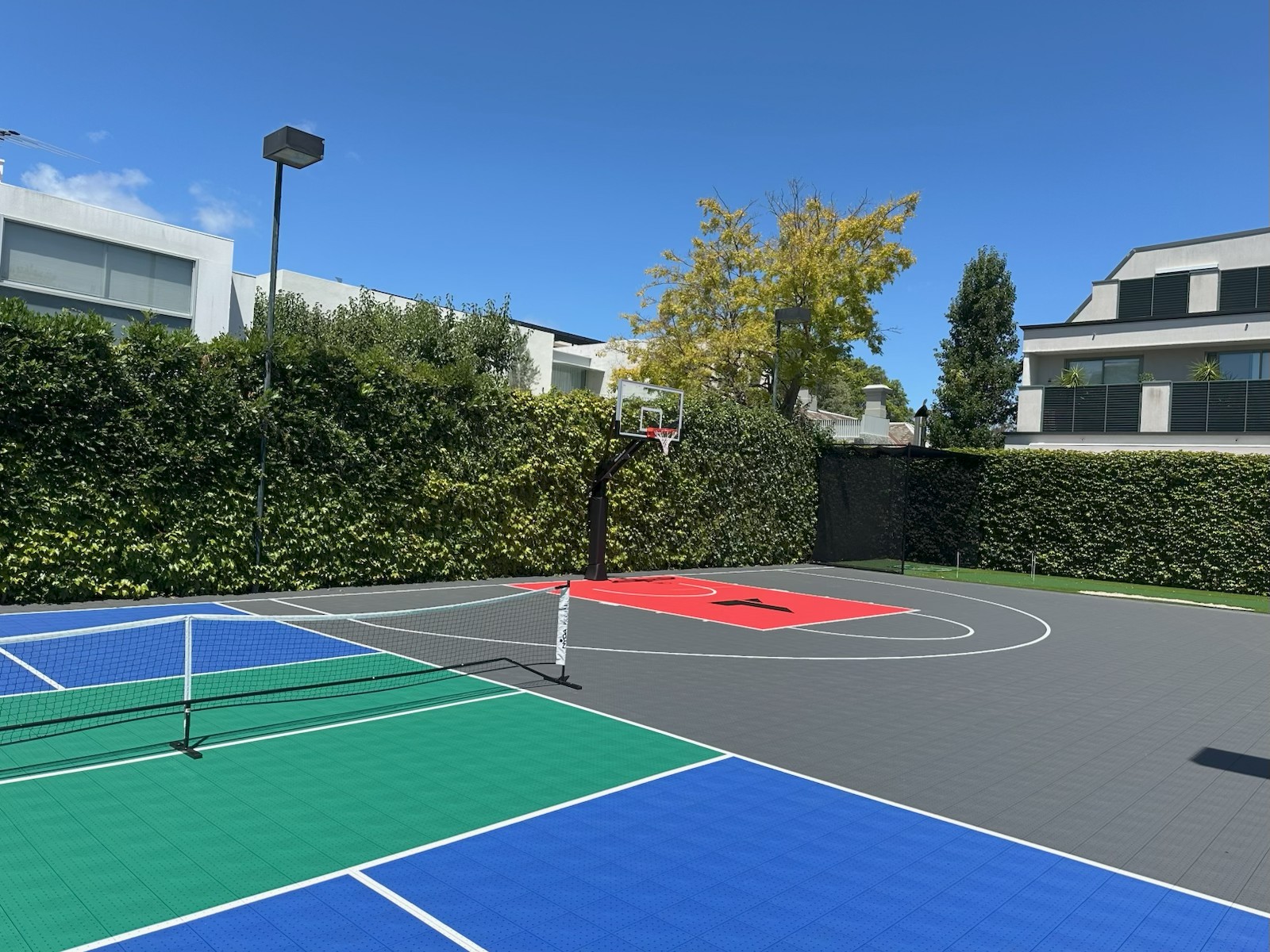
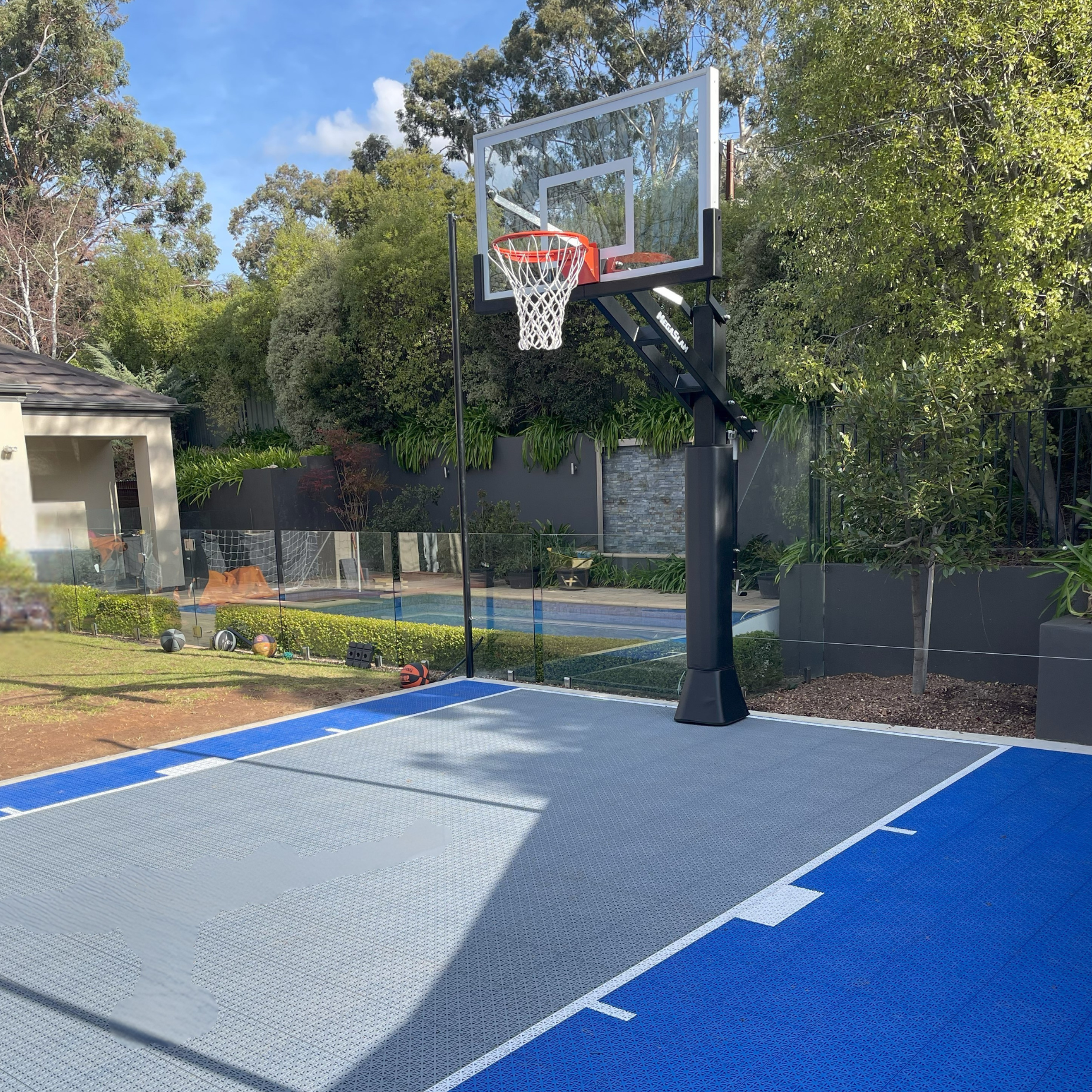
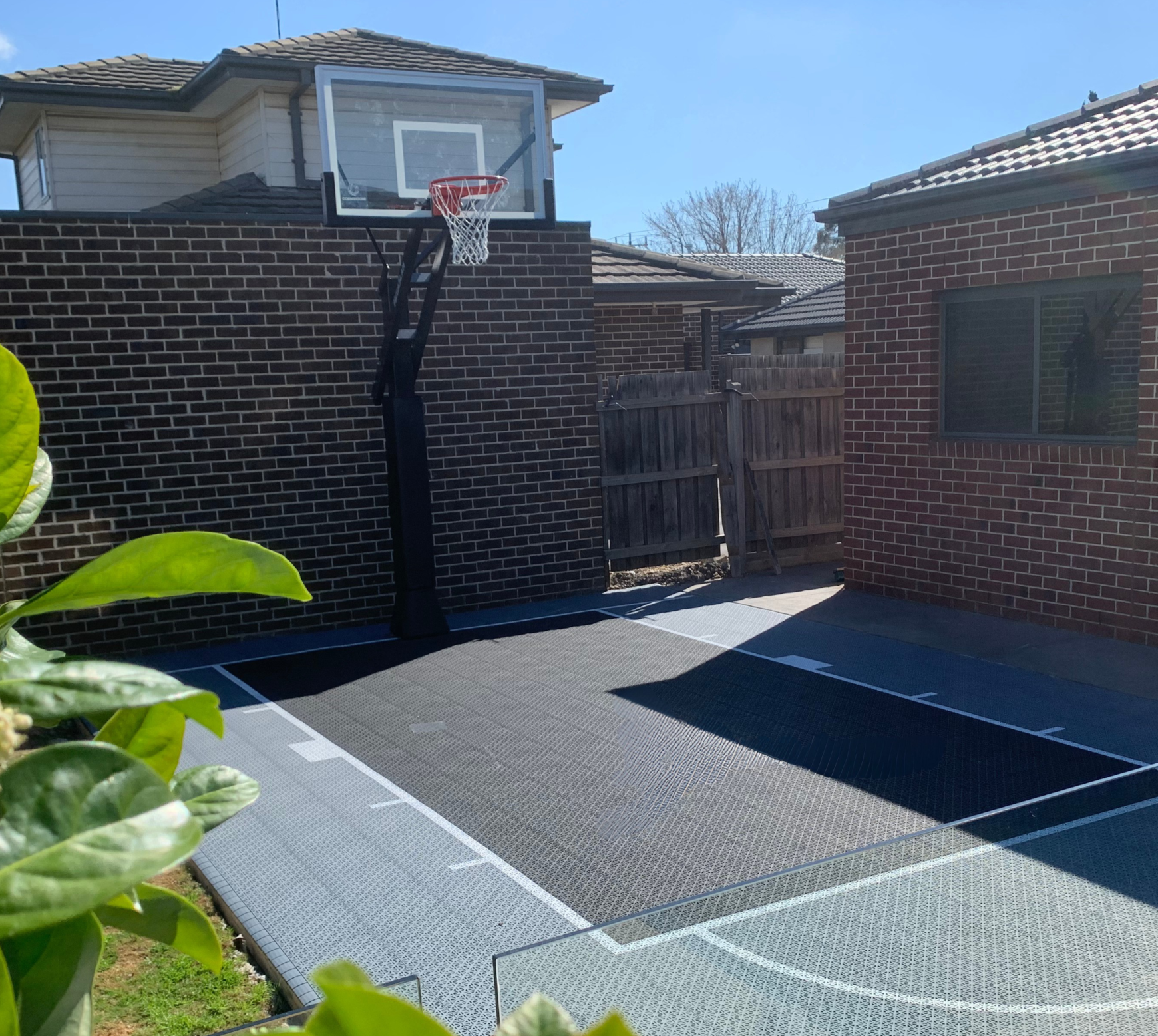
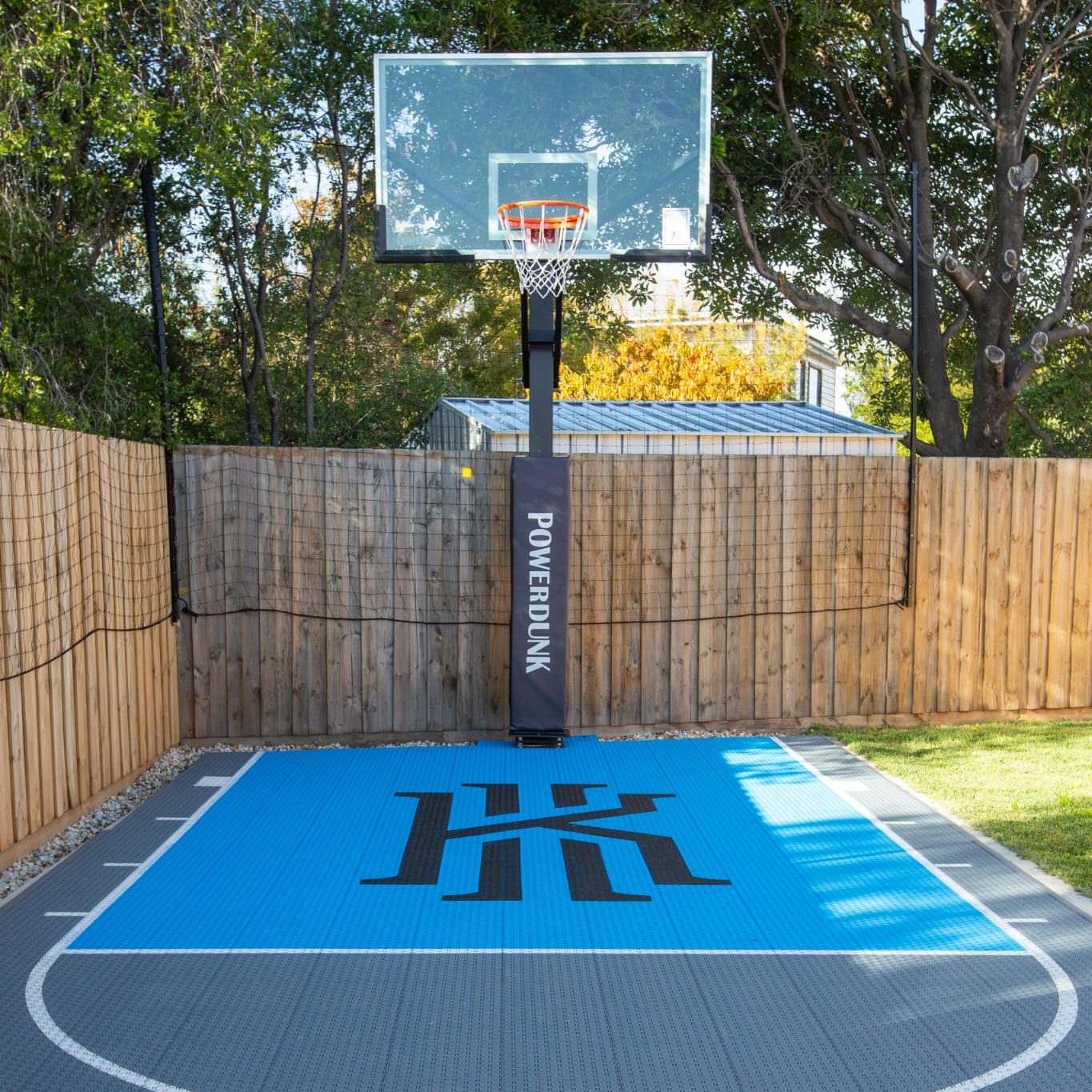
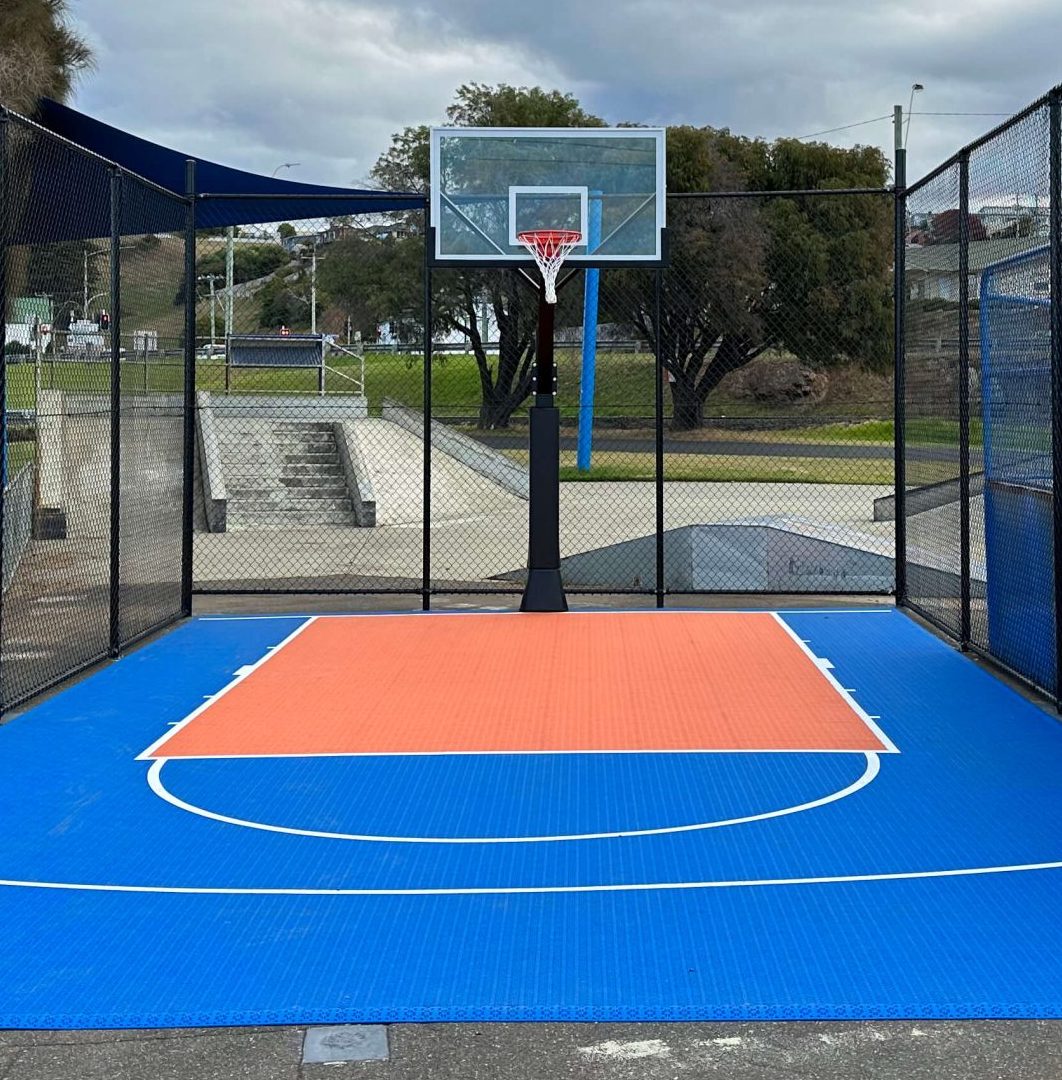
The headline shift in the past 18 months is that “a basketball court” has quietly become “a multi-sport court with basketball as the main line set”. Families who walk in asking for a backyard basketball court overwhelmingly leave with a build that also includes pickleball or netball line marking on the same surface.

The reasoning is consistent across the customers we work with. The court is being built once, the surface is being paid for once, and the cost of adding a second or third line set during the build is a small fraction of what the surface itself costs. Once families understand that — usually in the first call — the answer almost always becomes “let’s do multi-sport”.

There’s a practical consequence here for anyone planning a court. Decide on the line sets before the slab is poured, not after. Adding additional line marking later is possible, but doing it during the original install is meaningfully cleaner and cheaper.

Pickleball isn’t a fad — and the build data shows it

Basketball Queensland called it correctly when they framed pickleball as Australia’s fastest-growing sport. From where we sit — actually building courts for it — the demand curve is sharper than the public commentary suggests.

In our first six months operating, dedicated pickleball court enquiries were a small share of total volume. By late 2025 they were a serious slice. By early 2026 they had become a recurring category we plan around, not an exception we accommodate.

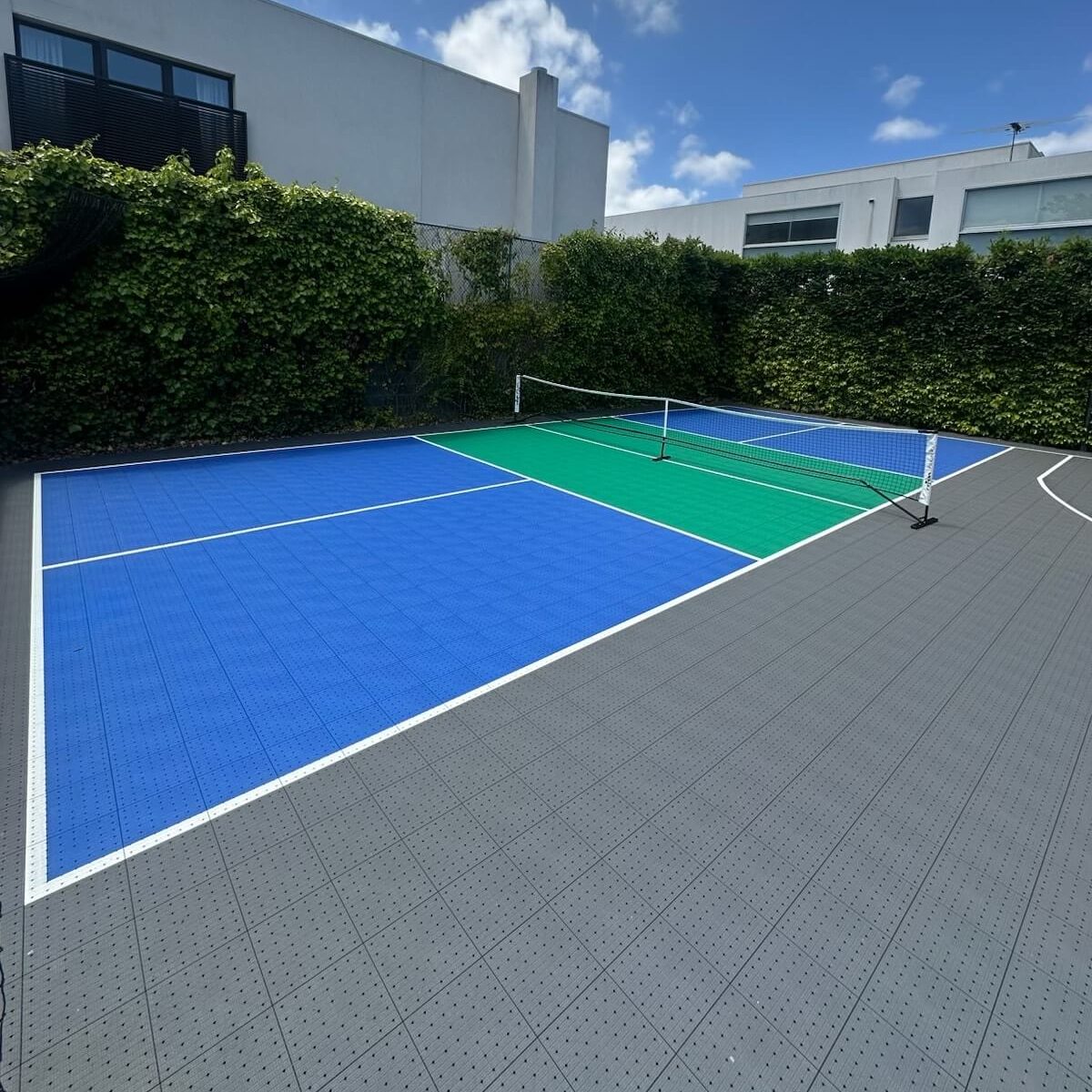
Two practical things we’d flag to anyone considering a pickleball court. First, dedicated dimensions matter — a standard pickleball court is 13.4m by 6.1m, with a safety zone around the perimeter, and getting the playing surface right is non-negotiable for serious players. Second, pickleball is loud. Surface choice and the location of the court relative to neighbours matter more than they do for basketball. We’ve had families redesign late in the planning stage purely on noise considerations once they understood the difference between a concrete slab and an interlocking acoustic court surface.

Most families don’t need a full-sized court

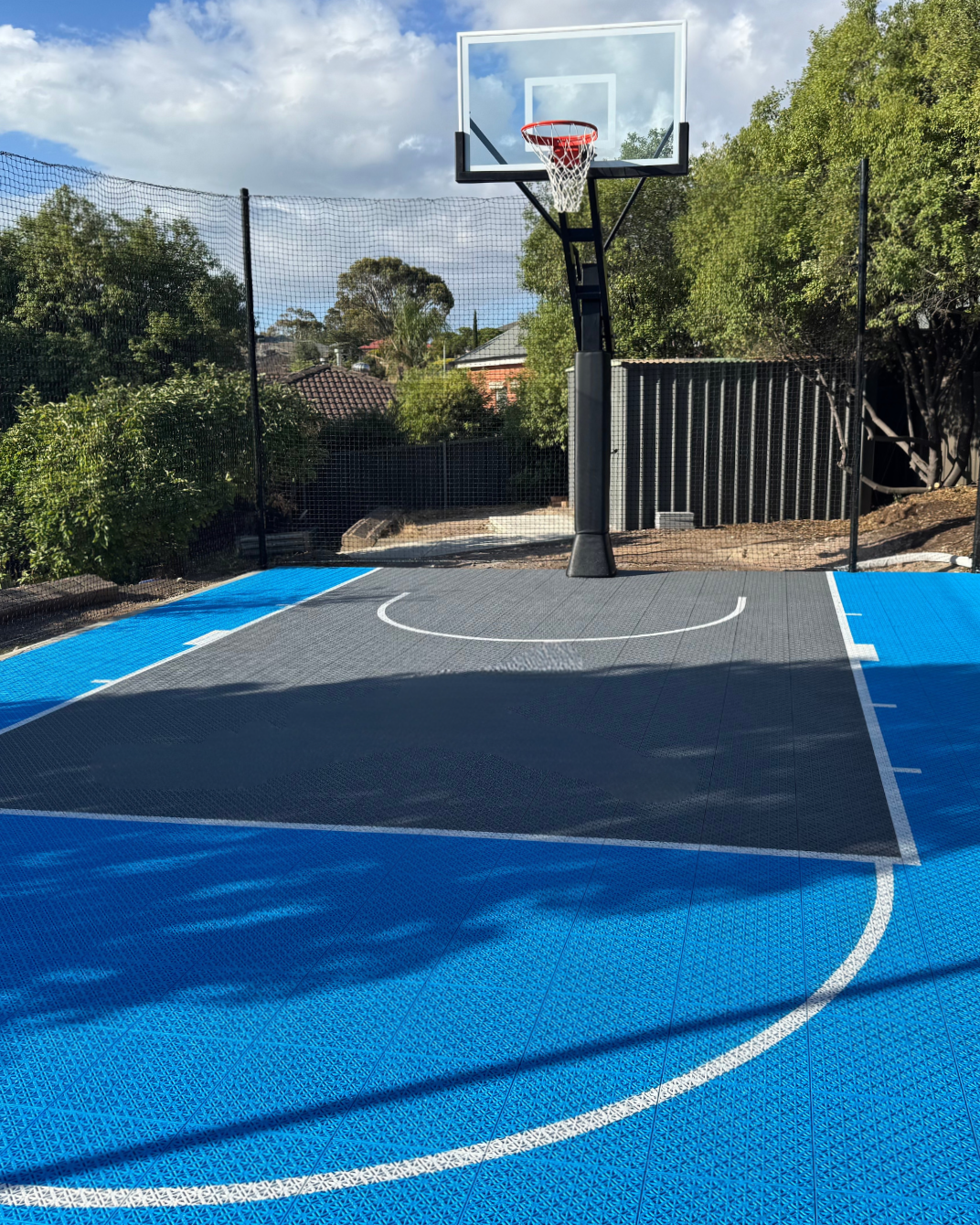
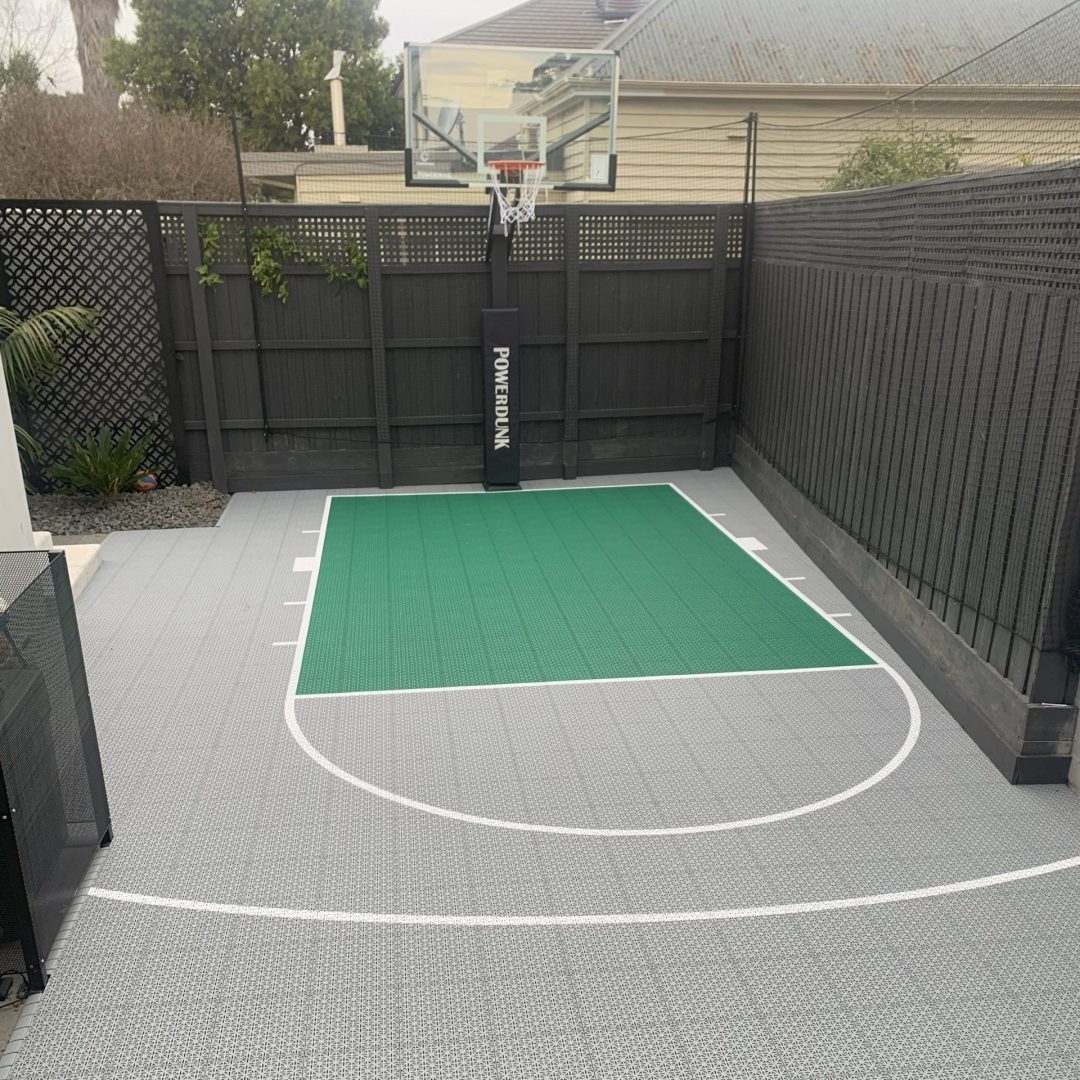
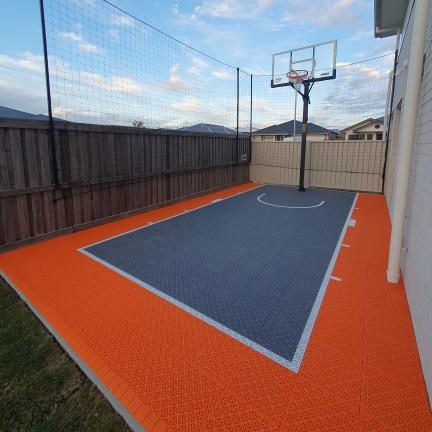
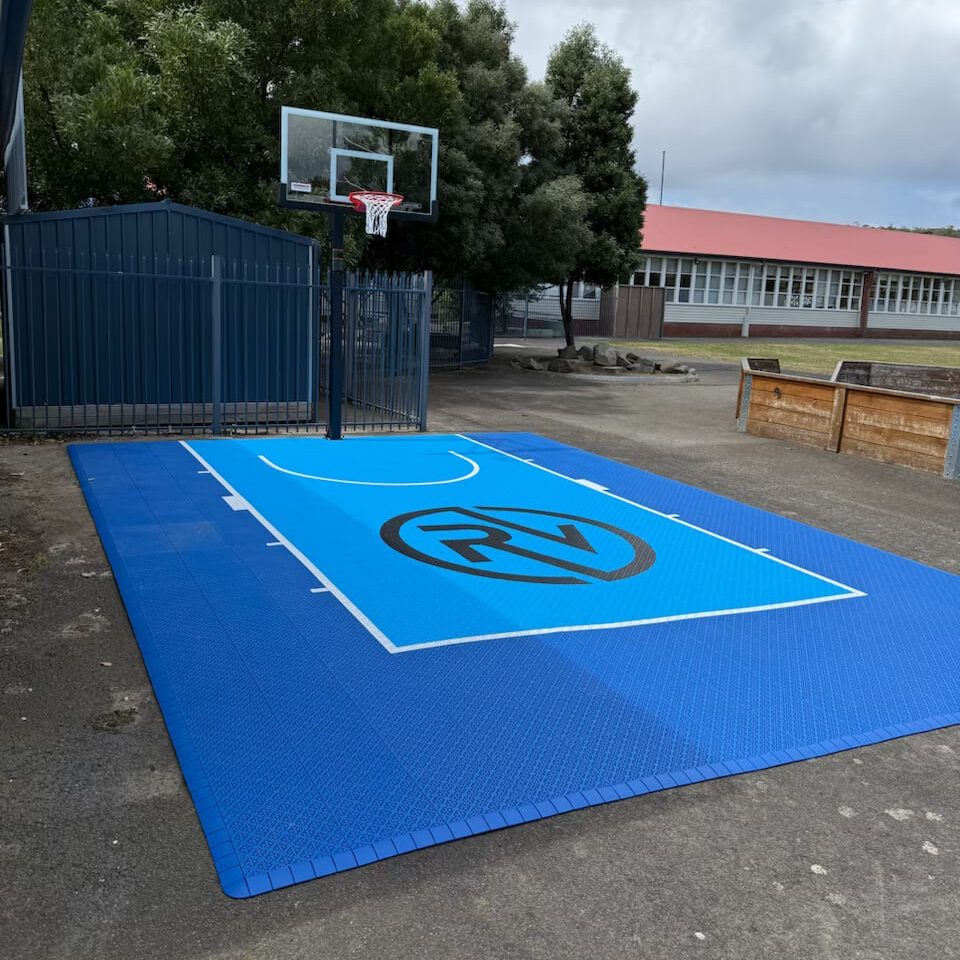
A surprising number of customers come to the first conversation thinking they need a full basketball court — 28.65m by 15.24m of playing surface, plus run-off. After we walk through how the court will actually be used (kids shooting around, the occasional half-court game, maybe a family pickleball match), the conversation almost always lands on a half-court footprint or a custom size that fits the yard.

That’s not a soft sell on our part. It’s a function of how home courts are actually used. Full-sized courts are the right answer for clubs, schools, and the small number of homes with the land and the use case to justify them. Half-courts and custom-sized multi-sport surfaces are the right answer for the rest, and they cost meaningfully less while delivering the same daily-use value.

The decision tree we walk customers through is usually the same. Who’s playing, how often, what’s the dominant sport, and what’s the yard going to look like with a court in it? The answers narrow the footprint quickly. The families who finish the build happiest are almost always the ones who chose the smaller footprint and spent the saving on better surface, better hoops, or court lighting.

What families actually pick when they see the full surface range

Surface choice is the line item most customers underestimate going in. We offer interlocking court tile surfaces with options ranging from entry-grade through to FIBA-approved, with shock absorption, UV and slip resistance, in-built drainage, and manufacturer warranties between 8 and 15 years. When families understand what’s actually being compared, they almost always step up at least one tier from their initial assumption.

The reasoning, again, is consistent. The court is built once. The surface determines almost everything that matters about how the court plays and how long it lasts — joint impact for kids and adults, slip safety in wet weather, UV-related fade over Australian summers, and how it feels underfoot in the first ten minutes versus year five.

A practical observation. The cheapest surface tier almost always feels like a saving on paper and feels like a regret in person. Not because it’s a bad product — it’s a perfectly good entry-level surface for casual play. But for the kind of customer building a private court at home, the gap between entry-grade and the next tier up is small in cost and large in experience.

Climate and geography change the build

Australia isn’t one market for court construction. It’s at least five, and the same court spec performs very differently depending on the state you build it in.

The most consistent pattern we see is around drainage and surface choice in the sub-tropical north. Queensland’s rainfall and humidity put more stress on substrate prep and surface selection than the same court would face in suburban Melbourne. The work we do on drainage and base slope on a Brisbane build is materially different to a build of the same footprint in Hobart.

Heat and UV intensity also shift the conversation. Surfaces with stronger UV stabilisation hold their colour and finish years longer in the Queensland and South Australian summer than they do in southern Victoria or Tasmania. We default to higher-UV-resistance specs anywhere north of the New South Wales border.

Lead times also differ slightly. The 6-week average from design completion to court-ready installation holds steady nationally, but site-specific factors (access, slope, slab readiness, council approval cycles) can shift that meaningfully in specific suburbs.

DIY versus full-build: what we learned from offering both

When we launched the DIY kit alongside the full-build service, the assumption inside the business was that DIY would be a small minority — a niche option for handy homeowners outside our install zone. The actual customer mix has been broader than that.

A meaningful share of DIY kit customers are inside our install zone and could have chosen a full build. They chose DIY for reasons that didn’t show up in our original modelling. Some wanted the project to be a family build over a school holiday. Some had tradies in the family. Some wanted to phase the work — slab now, surface in six months. And some simply enjoyed the autonomy of doing it themselves.

The takeaway for anyone considering the decision: the DIY kit isn’t a downgrade. It’s a different product, designed for a different kind of project. The court that ends up on the ground is the same surface system, the same hoops, the same line marking. The difference is who does the install and how the project unfolds.

What we got wrong — and changed

We’ve made mistakes in the past 18 months. The two worth being public about, because they shape how we work now:

The first was assuming customers would choose smaller, simpler builds when given a choice between paths. We initially under-quoted the time spent in early design conversations, on the theory that most families wanted a quick yes/no on a simple half-court. In practice, families want to think through line marking, surface tier, hoop choice, fencing, and lighting in detail before they commit. We now plan longer design conversations into the project from day one. The result is fewer change requests after the slab is poured and happier customers at handover.

The second was under-weighting the role of lighting in how families actually use their courts. The number of customers who add lighting later, retroactively, told us we were treating it as an optional extra rather than a standard part of the planning conversation. Court lighting changes whether the court gets used in the second half of the year. In an Australian summer, sunset at 8pm is the start of the best play time of the day, not the end of it.

What this means if you’re planning a court in 2026

If you’re starting the conversation about a court for your home, club, or school, three things from the past 18 months are worth knowing.

Lock in the line marking before the slab. Multi-sport is the default now for a reason. Adding line sets during the original install is significantly cleaner and cheaper than retrofitting.

Be honest about how the court will actually be used, not how you imagine it might be. The smaller, well-specced court is almost always the better answer for home use, and the savings move usefully into surface, hoops, lighting, and fencing.

Treat surface tier and lighting as core decisions, not add-ons. Both compound across the life of the court. The cost of getting them right at the start is small relative to retrofitting either of them later.

Frequently asked questions

What’s the most popular type of home sports court being built in Australia right now?

Multi-sport courts with basketball as the primary surface and additional line sets — most commonly pickleball or netball — added during the original install. The shift from single-sport to multi-sport happened quickly across 2025 and is now the default question we work through with new customers.

How big should a backyard basketball court be?

Most home customers end up with a half-court footprint or a custom size designed to fit the yard. Full-sized courts (28.65m × 15.24m) are the right answer for serious training and for clubs and schools, but they’re not the right default for residential use. The right size is driven by who’s playing, how often, and what else needs to coexist in the yard.

Is pickleball really growing in Australia, or is that hype?

Both. Pickleball is genuinely growing — Basketball Queensland and other national bodies have publicly identified it as the country’s fastest-growing sport — and the on-the-ground build data backs it up. Pickleball-specific enquiries have moved from a small share of our volume to a recurring category we plan around.

What surface should I choose for an Australian outdoor court?

The right answer depends on intended use, climate, and budget. As a starting point, interlocking court tile systems with UV-stabilised surfaces, in-built drainage, and shock absorption are the default for outdoor private courts in Australia. Surface tier — entry-grade versus higher-spec — should be chosen on the basis of how seriously the court will be played on and how long you want it to look and feel new. Going one tier above the entry level is almost always money well spent for a home court.

How long does a sports court take to build?

On average around six weeks from design completion to a court ready for play, with the variation coming from site conditions, slab works, surface stock, and access. Once we’ve reviewed a specific site, we can give a clearer schedule before any work starts.

What’s the difference between a full-build court and a DIY court kit?

The court system, surface, hoops, and line marking are the same. The difference is who installs it. A full build is managed end-to-end by our team — excavation, slab, surface, hoops, netting — across Victoria, Tasmania, Queensland, New South Wales, and South Australia. A DIY kit ships nationwide and is designed to be installed by the customer, with our design and planning support behind it.

Want to plan your own court?

If anything in here lined up with a court you’ve been thinking about, the easiest next step is a free online quote. The form takes a couple of minutes, doubles as a service-area check for full-build installation, and gets a Cornerstone specialist looking at your project.

If you’d rather see what your court will look like in your space before you go any further, the AR court designer renders a real court — at the right size, in the colours you’ve chosen — into your yard via your phone camera. It’s the fastest way to move from “we should think about a court” to “this is what ours is going to look like”.

The 380+ courts behind this post are 380+ family driveways, school playgrounds, club facilities, and backyard slabs that now get used in ways they didn’t before. We’ll keep writing pieces like this one as the dataset grows — and we’ll keep updating it as the patterns shift.

───────────────────────────

This post is based on Cornerstone Courts’ internal build data from 2024 through to mid-2026, across full-build and DIY kit deliveries in Victoria, Tasmania, Queensland, New South Wales, and South Australia. Costs and specifications referenced are indicative and depend on site conditions, location, and finish. We’ll update this piece as the build dataset grows.

Basketball Queensland and Cornerstone Courts partnership logo displayed at a basketball event, featuring children engaged in activities near a mobile court installation.
Cornerstone Courts

Basketball Queensland and Cornerstone Courts: 2027 Partnership

Cornerstone Courts Extends Basketball Queensland Partnership Through to 2027

Basketball Queensland and Cornerstone Courts partnership logo displayed at a basketball event, featuring children engaged in activities near a mobile court installation.

We’ve got news worth sharing. Cornerstone Courts has extended its official partnership with Basketball Queensland through to the end of 2027 – a two-year continuation of a relationship that started in 2025 and, in twelve months, helped put more than a hundred new basketball courts on the ground across the state.


For us, this matters less because of the title and more because of what it represents. Basketball Queensland is the peak body for the game across the state. Working alongside them gives us a direct line to the families, clubs, and schools we exist to build for — and a clearer sense of where the sport in Queensland is heading next.


Here’s what the extension means, what we’ve built so far, and what’s coming through to 2027.


Two more years of building basketball at home in Queensland

The renewed agreement keeps Cornerstone Courts on as Basketball Queensland’s official partner and the preferred provider of private basketball court installations across the state. In plain terms: when a Queensland family or community asks Basketball Queensland how to build a court at home or at their facility, our name is the one in the answer.


The first year of the partnership focused on getting the basics right – making quality court solutions accessible, getting in front of more Queensland families, and building the operational footprint to actually deliver at scale. The two-year extension builds on that. The goal hasn’t changed: more Queensland kids and adults playing the game, on better surfaces, closer to home.


100+ Queensland court projects already on the ground in 2025

The headline number from the first year of the partnership is the one we’re proudest of. In 2025, our team delivered more than 100 basketball court projects across Queensland – a mix of backyard half-courts and full courts, multi-sport surfaces, school facilities, and community-grade builds.

That kind of volume in a single state, in a single year, is a function of two things working together:

  • Real demand. Queensland families want courts at home. The pickleball boom, the post-COVID home-improvement wave, and the steady growth of basketball as a participation sport have all pulled in the same direction.
  • A delivery model that holds up at scale. As registered builders, we manage the full build under one team – excavation, slab, surface, hoops, netting, line marking – rather than handing pieces off to subcontractors. That’s how a hundred-plus projects get done in twelve months without quality drifting.

If you’ve driven past a new private court in suburban Brisbane, a refreshed school surface in Toowoomba, or a community half-court in regional Queensland over the past year, there’s a good chance our team was on it.


What this means for Queensland families and clubs

For anyone thinking about a court – whether it’s a backyard half-court for the kids or a multi-sport facility for a school – the partnership is more than a logo on a website. It’s a shorthand for a few things you should care about.


A builder Basketball Queensland trusts. Basketball Queensland has been operating since 1946 and oversees the game from junior representative basketball through to the NBL1 North competition. They’re not picky about who they put their name next to. The fact that the partnership is being extended, after a year of side-by-side delivery, is a meaningful endorsement of how we work.


Court systems built for the way Queenslanders actually play. Queensland’s climate is its own animal – humidity, intense UV, summer storms, and the sub-tropical north. Our surfaces are chosen for shock absorption, drainage, and UV resistance, with options ranging from entry-grade through to FIBA-approved. We design every project with the local conditions, not against them.


A path that fits your situation. Some families want a full-build, slab and all, with one team handling everything. Others want to take on the install themselves and just need the design and the kit. The partnership is built around both – full-build installations across Brisbane, the Gold Coast, the Sunshine Coast, and regional Queensland, with DIY court kits shipped anywhere in the state.


From the Basketball Queensland team

Basketball Queensland’s Commercial and Marketing Manager, Lachlan Nuttall, framed the extension as a natural step after a strong first year. Of the original 2025 partnership, Nuttall said it had “delivered real value” both in community engagement and in the quality of court solutions we provide.


That’s the kind of feedback we wanted to hear before the renewal – not a polished line for a press release, but a fair assessment of how the relationship has actually played out for both sides.


What our GM had to say

Cornerstone Courts General Manager, Simon Gough, has been close to the partnership from day one. On the extension, Simon said the team is “extremely proud” to keep working with Basketball Queensland through to 2027, and pointed to the partnership’s role in helping more families and players access quality court solutions at home – as well as widening the reach into Queensland schools and local council areas.


The schools and councils piece is worth flagging. A lot of the conversation around Cornerstone is rightly focused on backyard builds, but the next phase of the partnership leans into commercial court projects – the kind of facility work that compounds participation at the community level.


What’s next: schools, councils, and the road to 2027

Through to the end of 2027, the partnership focuses on three things in parallel.

The first is straightforward: keep doing what works. Quality residential court builds, delivered to the standard Basketball Queensland would put their name to, at prices Australian families can actually consider.


The second is reach. More activity in Queensland schools, more partnerships with local government on community court infrastructure, and continuing support for clubs and associations across the state.


The third is the part we’re quietly most excited about – finding more ways to get the game into hands and shoes that don’t yet have access to it. The growth of basketball in Queensland over the past five years is not an accident, and the state’s facilities have a lot of catching up to do. Two more years of focused work alongside the peak body is a real chance to close that gap.


Frequently asked questions

Is Cornerstone Courts Basketball Queensland’s official court partner?

Yes. Cornerstone Courts is Basketball Queensland’s official partner and preferred provider of private basketball court installations across the state. The partnership originally launched in 2025 and has been extended through to the end of 2027.

What kinds of courts can Cornerstone Courts build in Queensland?

Backyard basketball half-courts and full courts, multi-sport surfaces with custom line marking (basketball, netball, pickleball, tennis), pickleball-specific courts, and commercial builds for schools, clubs, and councils. We also ship DIY court kits for customers anywhere in Australia.

Where in Queensland do you install courts?

Full-build installation services are available across Brisbane, the Gold Coast, the Sunshine Coast, the Darling Downs, and regional centres throughout the state. If your project is outside our install footprint, our DIY kit option ships Australia-wide.

How long does a Queensland court build usually take?

On average, around six weeks from design completion to a court ready for play. Site conditions, slab works, and surface stock can shift that timeline up or down. Once we’ve reviewed your site, we’ll give you a clearer schedule before any work starts.

Does the Basketball Queensland partnership change pricing?

Not directly. Our Price Beat Guarantee applies to every quote regardless of partnership context. The partnership matters for trust, reach, and the kind of court systems we put forward – not for whether you get a fair price.


Plan your own court – anywhere in Queensland

If the partnership news has you thinking about your own backyard, school, or club facility, the easiest next step is a free online quote. The form takes a couple of minutes, lets us check whether you’re inside our full-build install zone, and gets a Cornerstone specialist looking at your project.


If you’d rather see what a court looks like in your space before you go any further, our augmented reality court designer renders a real court – at the right size, in the colours you’ve chosen – directly into your yard via your phone camera. It’s the fastest way we know to get from “we should look into a court” to “this is what ours is going to look like”.


Two more years of the Basketball Queensland partnership means two more years of putting more Queenslanders on more good courts. We’re glad to be doing it alongside the people who run the game.